Growing Shade Lafayette:
Boulder County’s Residential Urban Forestry Program
Eligible residents must fill out the form linked below to register.
The PLAY Boulder Foundation Tree Trust, Boulder County, and the City of Lafayette are proud to launch Growing Shade: Lafayette, an urban forestry expansion program that begins April 4, 2026.
Growing Shade: Lafayette is a pilot program focused on increasing tree canopy in local neighborhoods to help reduce extreme heat, improve air quality, and enhance climate resilience and public health. These neighborhoods were selected using Boulder County's Urban Tree Canopy Assessment, which highlighted areas within the county with the greatest need for tree planting initiatives.
Who it Serves
In 2026, the Growing Shade: Lafayette program will focus on the neighborhoods bounded by:
E. Emma Street
N. 120th Street
E. South Boulder Road
S. Public Road
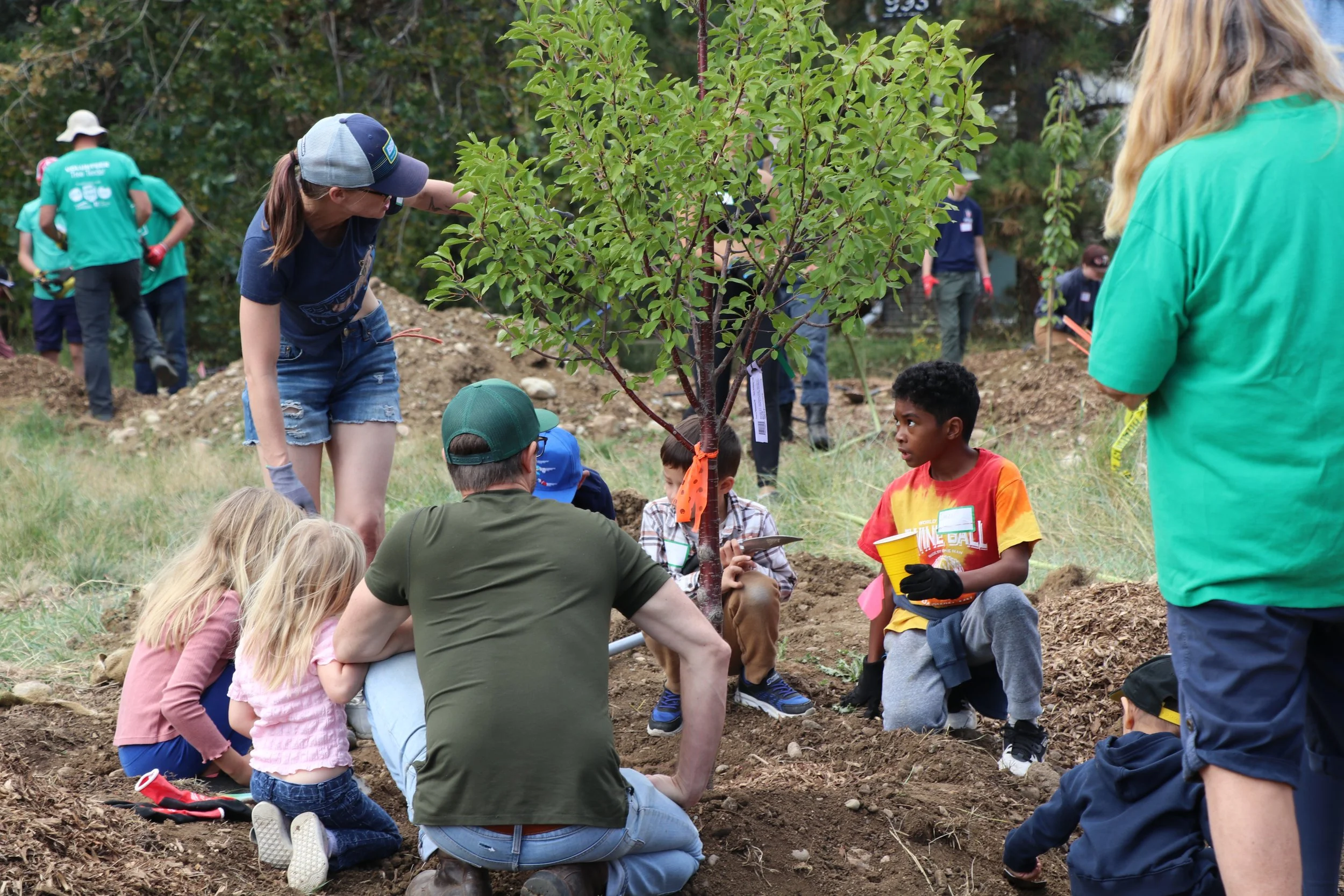
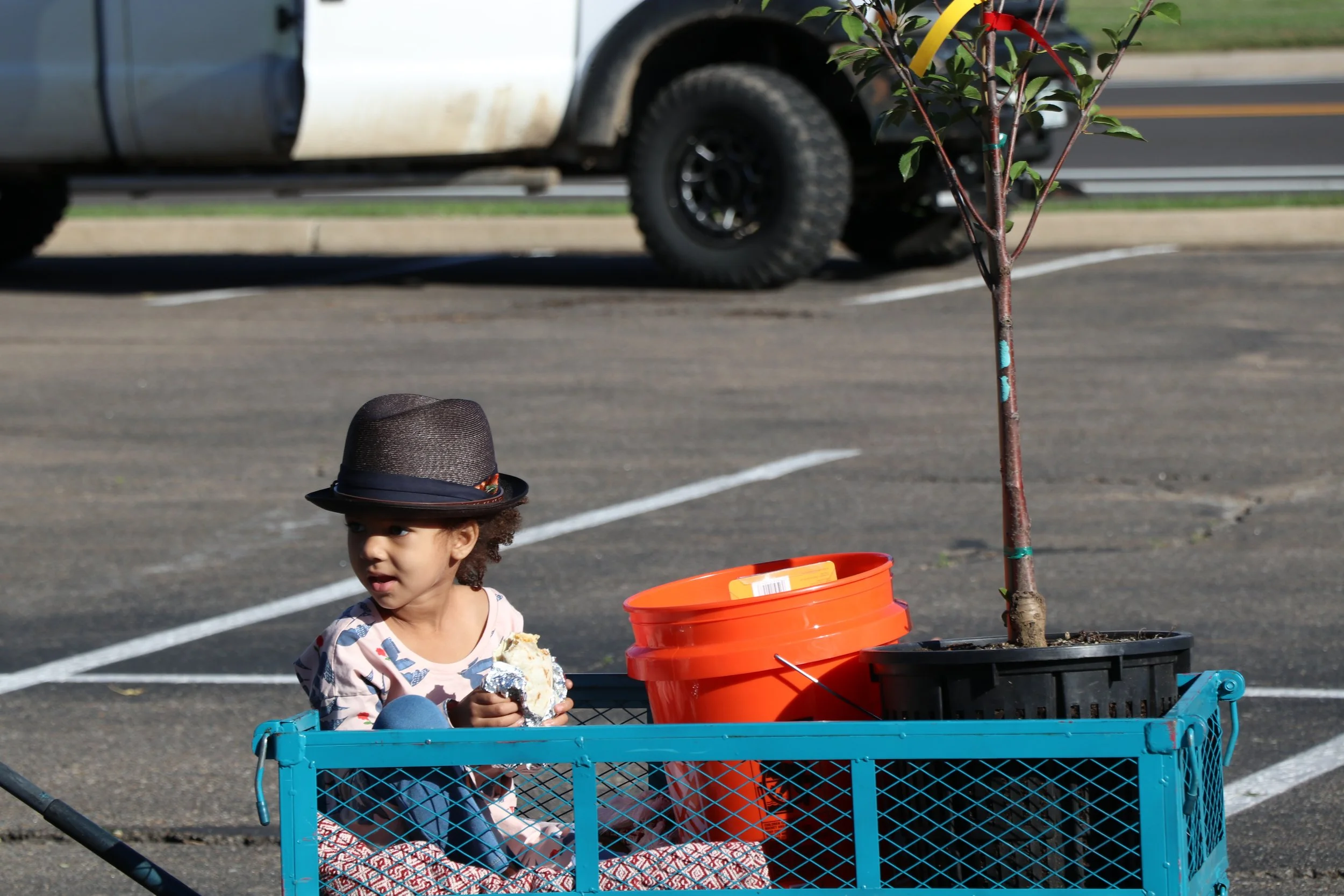
In these neighborhoods, 80 trees will be given out for planting on private residential properties — one tree per household, available on a first-come, first-served basis. Community members who rent or lease their property can participate, but they need to get permission from their property manager first. Participating community members will receive a free medium-sized tree, as well free tree care tools such as shovels, hoses, buckets, and more!
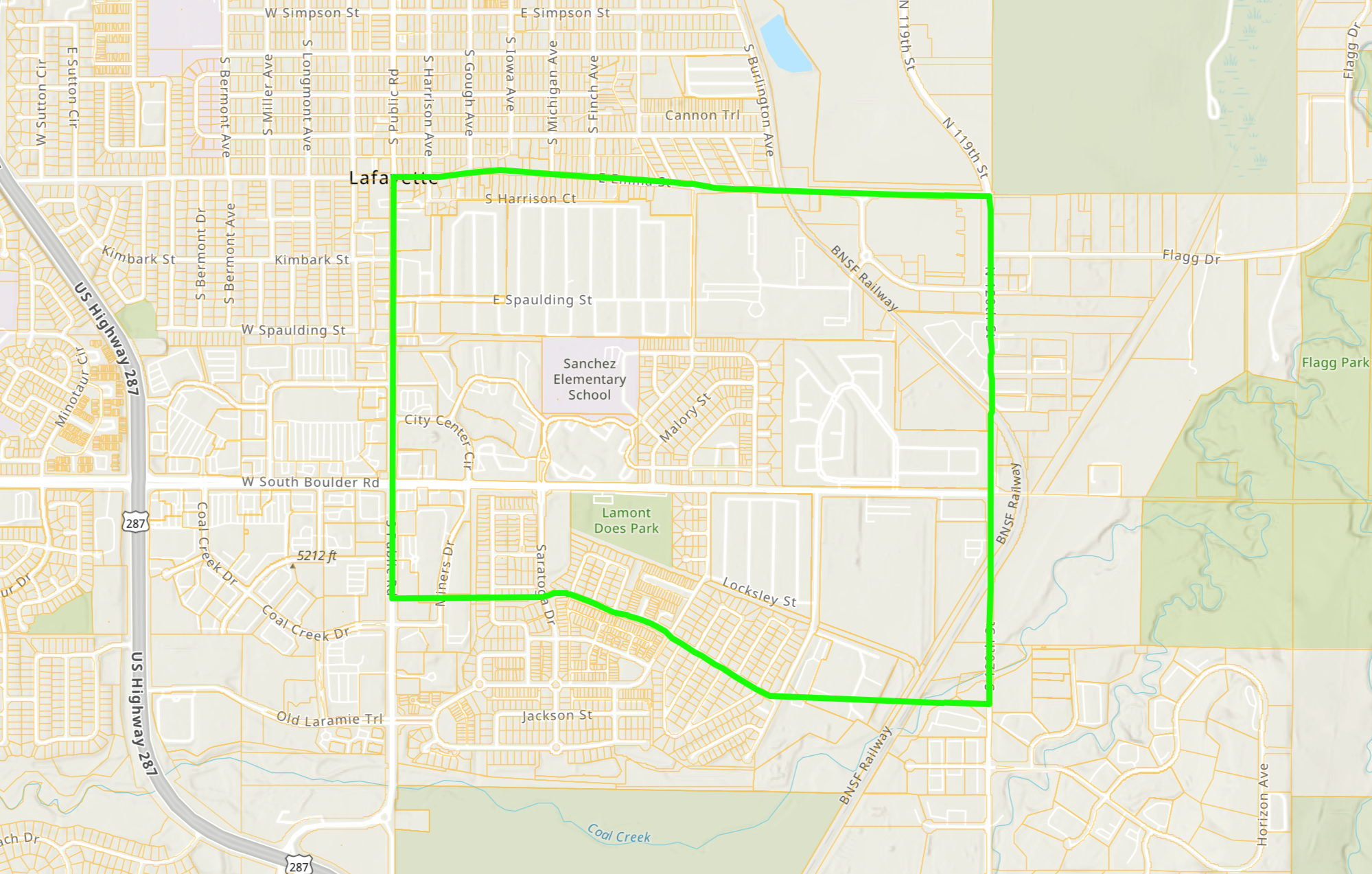
To see if you are eligible to participate, please use this map.
Eligible residents must fill out the form linked below to register.
Timeline
April 4, 2026: Kick-Off Event
From 11am - 1pm, at LaMont Does Park
Learn about Growing Shade: Lafayette, meet our partners, sign up to receive trees, and access educational resources and program materials.
April 4 - May 2, 2026: Community Outreach
Outreach will run from April 4 to May 2 with Tree Trust and community-based organizations conducting door-to-door canvassing two days a week for three weeks. This includes distributing flyers, door hangers, and helping residents sign up. If you live in the eligible area, keep an eye out for a door hanger or sign up now!
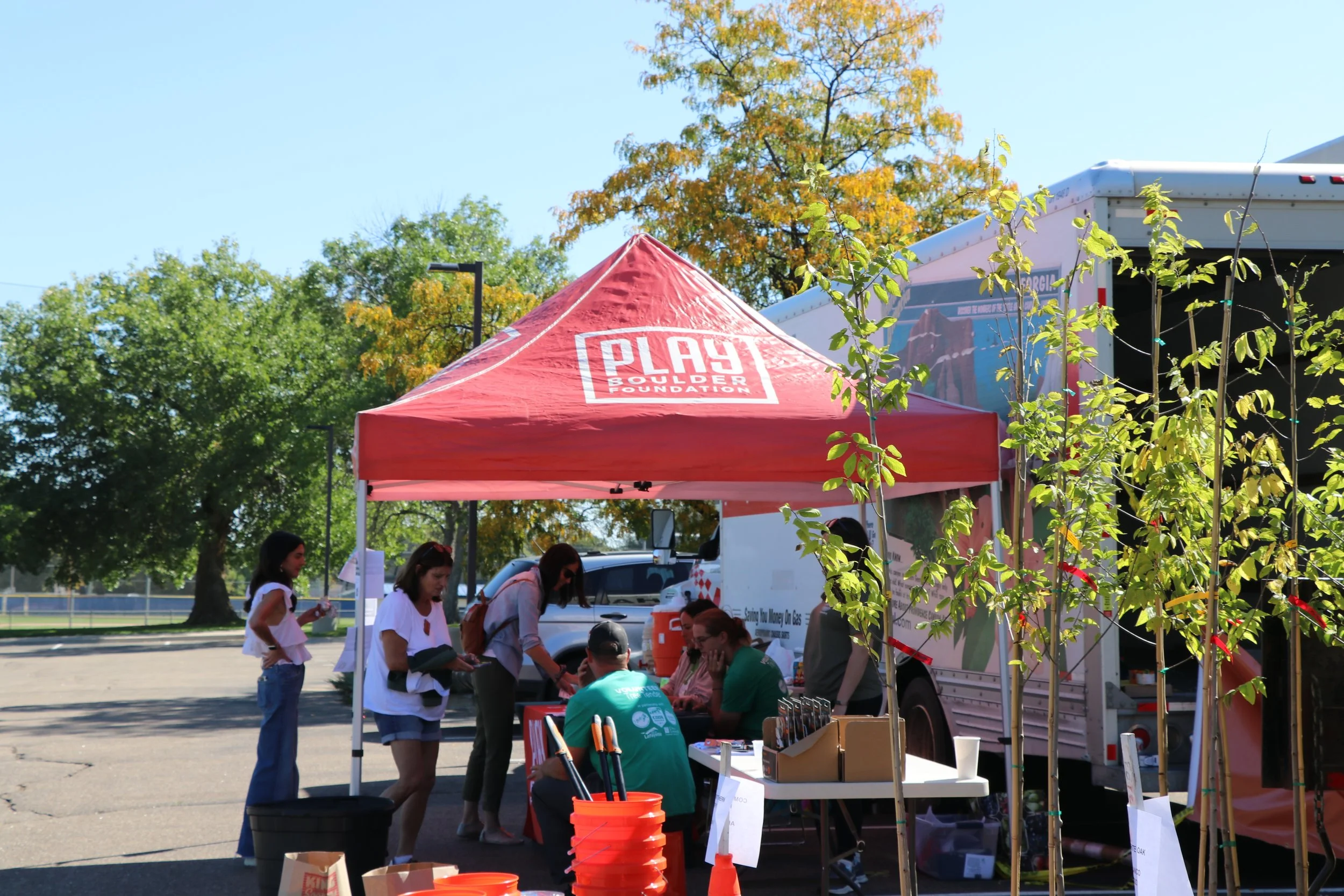
May 9, 2026: Tree Pick-Up Event
From 9am - 12pm, at Waneka Lake Park, West Shelter
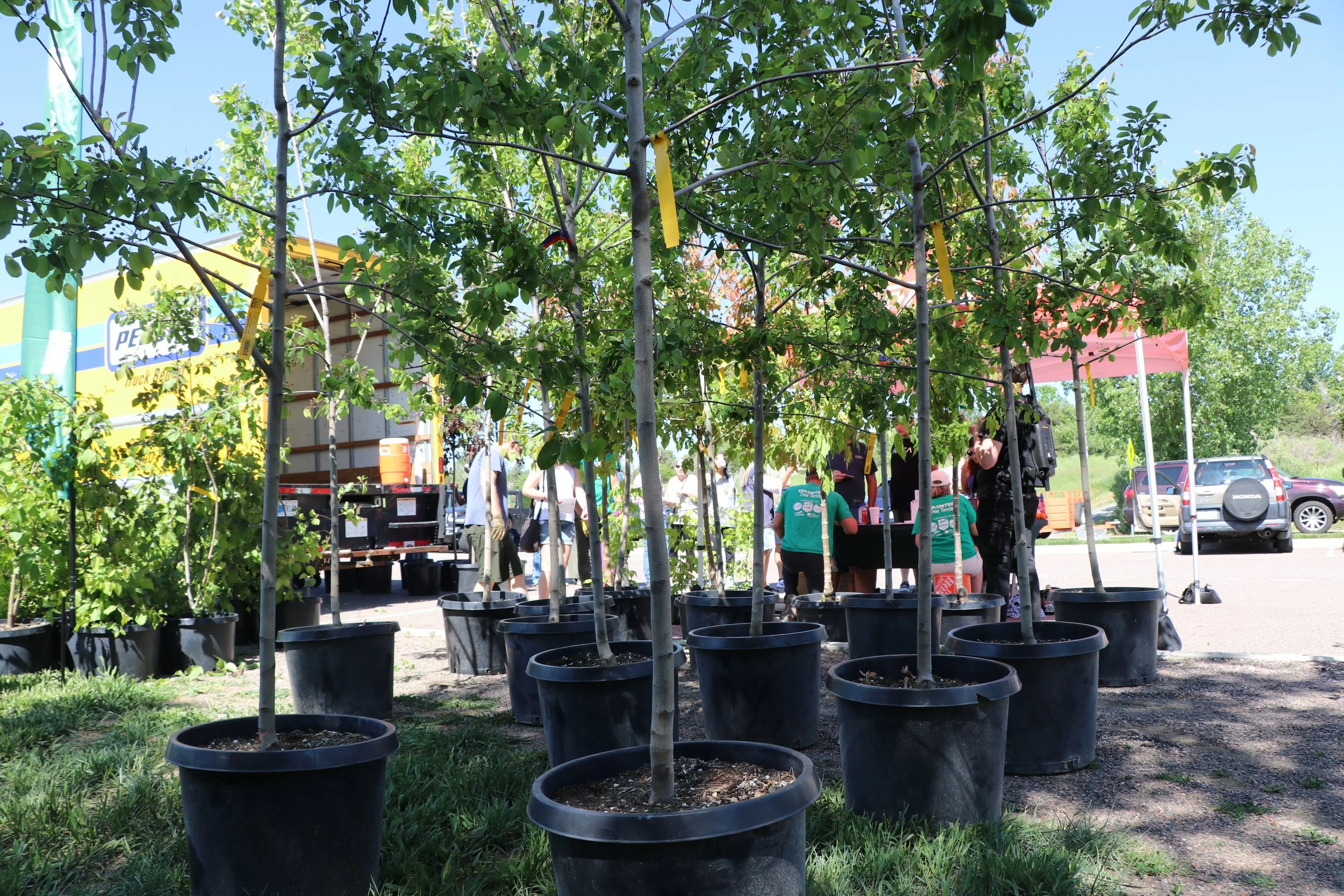
Growing Shade: Lafayette participants will pick up their free tree and tree care tools, as well as connect with their neighbors, learn about tree planting and care, and more!
If residents are unable to pick up or plant their tree, support will be provided to those who request support.
Free tree care tools and buckets of mulch will be distributed to all participants to support the care of their newly planted tree! Mulch will help your tree by regulating soil temperature, maintaining soil moisture, and serving as a barrier to potential damage from string trimmers and mowers. If you wish to take home additional mulch, participants are welcome to bring their own containers.
Ongoing Tree Care Support
From 2026 to 2029, residents will receive direct tree care reminders and resources, including:
General watering tips and seasonal reminders
Guidance on installing or removing tree wrap
Extra care during droughts or extreme weather
Ability to ask questions to Tree Trust team
The Tree Trust will offer educational workshops on general and resident-requested topics related to tree care. Residents may opt out of ongoing support communications at any time.
The Tree Trust team will also perform tree wellness checks twice a year during this 3-year timeframe to get visual confirmation that the tree is doing well. Our team will not be entering your property, so it will be helpful if your tree is planted in a location visible from the street, if possible.
Available Trees
-
Fast Facts:
Structure: Round, Upright, Spreading
Flowers: No
Fruit: Samara (helicopter seed pods)
Fall Color: Yellow, Orange or Red
Height: Can be 25-30 feet tall at maturity
Width: Crown width can be 20-25 feet at maturity
Hardiness: Zone 3
Sun: Full to partial sun
Soil: Tolerant of both dry and alkaline soils
Water Needs: Medium to Low
Growth Rate: Slow growing
-
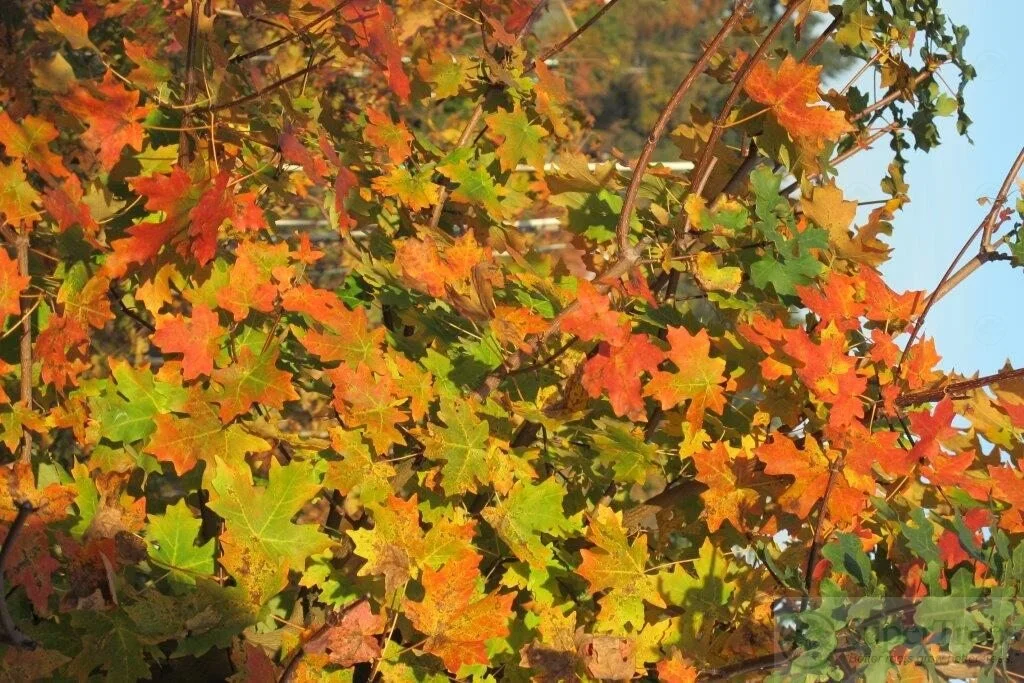
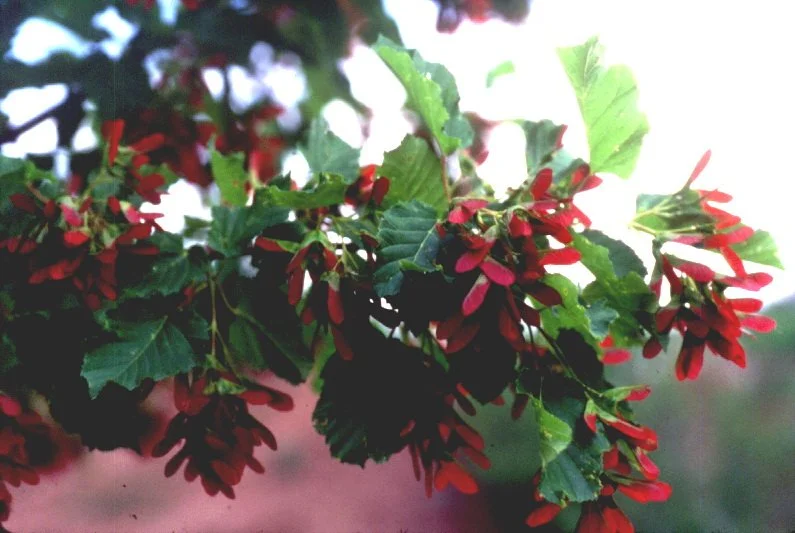
Fast Facts:
Structure: Upright, Spreading
Flowers: Yellow-white flower clusters
Fruit: Red samaras (helicopter seed pods)
Fall Color: Yellow, Orange or Red
Height: Can be 20-25 feet tall at maturity
Width: Crown width can be 15-20 feet at maturity
Hardiness: Zone 3
Sun: Full sun
Soil: Tolerant of a variety of soils
Water Needs: Medium to Low
Growth Rate: Moderate to Fast
More Details:
The Rocky Mountain Glow Maple is a cultivar of the Bigtooth Maple, and is tolerant of dry and alkaline soils once established.
Can thrive with very little water and become a small bushy tree.
Vigorous, small-sized maple species that do well in Colorado.
-
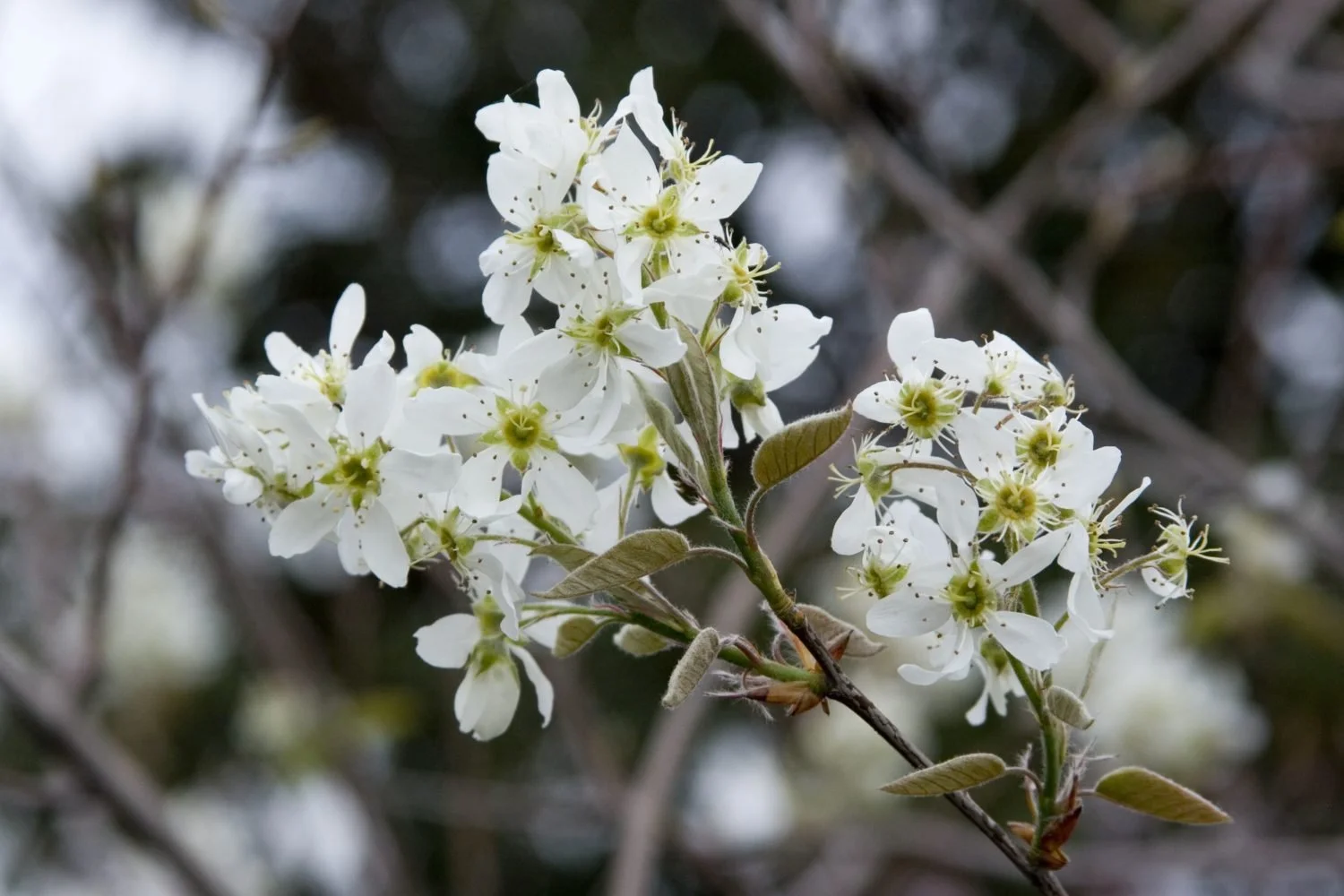
Fast Facts:
Structure: Round, Upright
Flowers: White flower clusters
Fruit: Small, blackish-purple fruits, similar to blueberries
Fall Color: Orange or red
Height: Can be 15-20 feet tall at maturity
Width: Crown width can be 10-15 feet at maturity
Hardiness: Zone 3
Sun: Full to partial sun
Soil: Tolerant of a variety of soils
Water Needs: Medium to Low
Growth Rate: Moderate to Fast
-
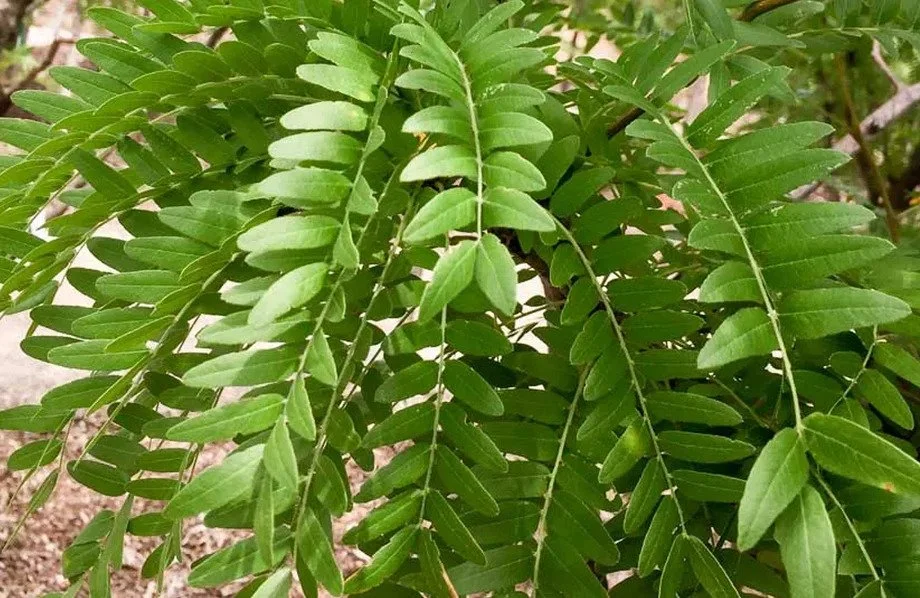
Fast Facts:
Structure: Upright, pyramidal
Flowers: No
Fruit: No
Fall Color: Yellow
Height: Can be 40-60 feet tall at maturity
Width: Crown width can be 40-50 feet at maturity
Hardiness: Zone 4
Sun: Full sun
Soil: Tolerant of a variety of soils
Water Needs: Low
Growth Rate: Fast growing
Note: Due to its large height at maturity, do not plant this species under overhead utilities.
-
Fast Facts:
Structure: Upright, Spreading
Flowers: Small, white flowers
Fruit: Small, reddish-purple drupes
Fall Color: Flower sepals turn red
Height: Can be 10-20 feet tall at maturity
Width: Crown width can be 10-15 feet at maturity
Hardiness: Zone 5
Sun: Full sun
Water Needs: Medium to Low
Growth Rate: Moderate to Fast
-
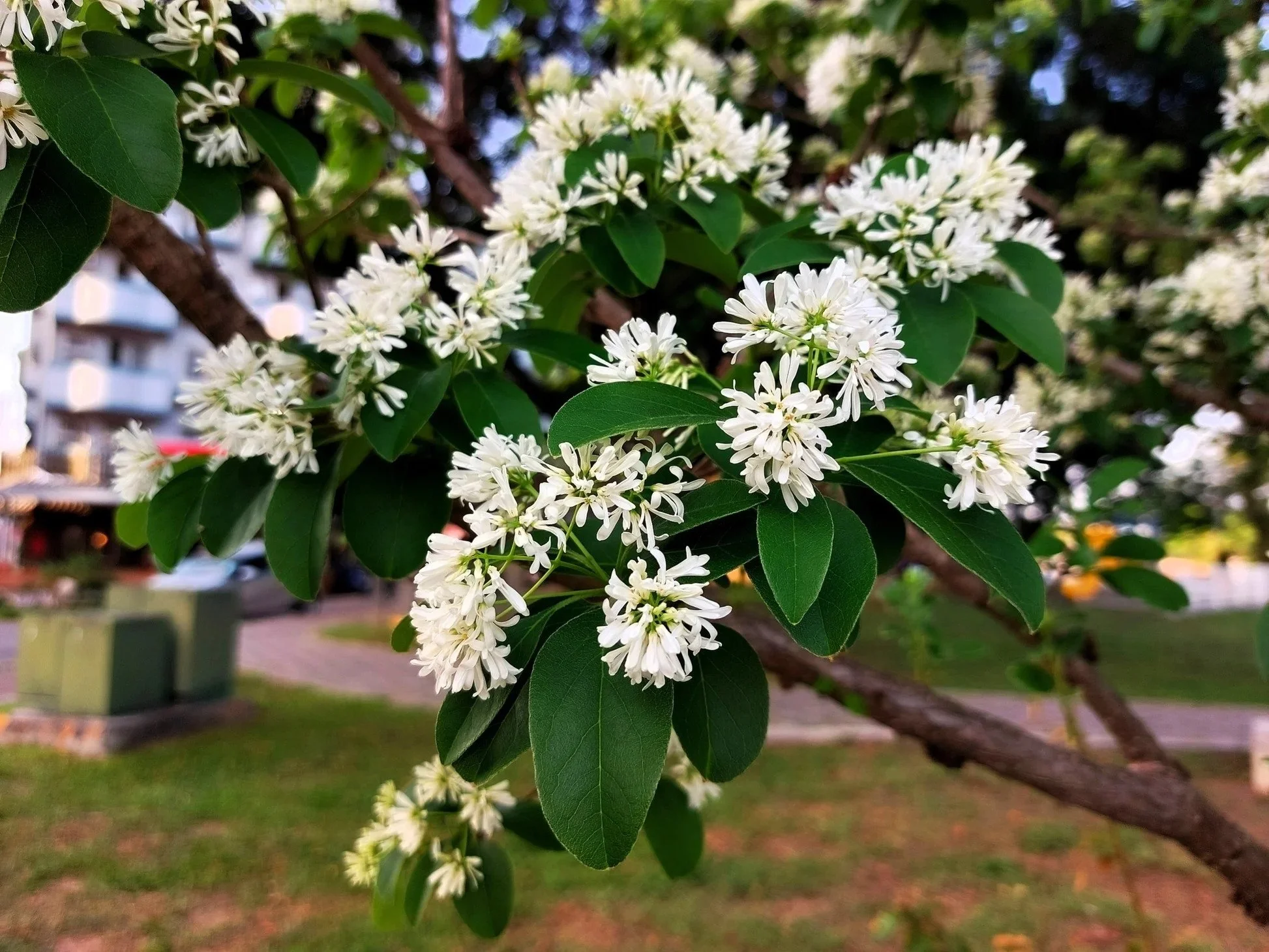
Fast Facts:
Structure: Round, Upright
Flowers: Fragrant, white blooms in the Spring
Fruit: Produces no fruit
Fall Color: Yellow
Height: 20’-25’ feet tall at maturity
Width: Crown width can be 15’-20’ feet at maturity
Hardiness: Zones 4-8
Sun: Full sun
Soil: Acidic, loamy, well-drained
Water Needs: Drought-tolerant once established
Growth rate: Fast growing
-
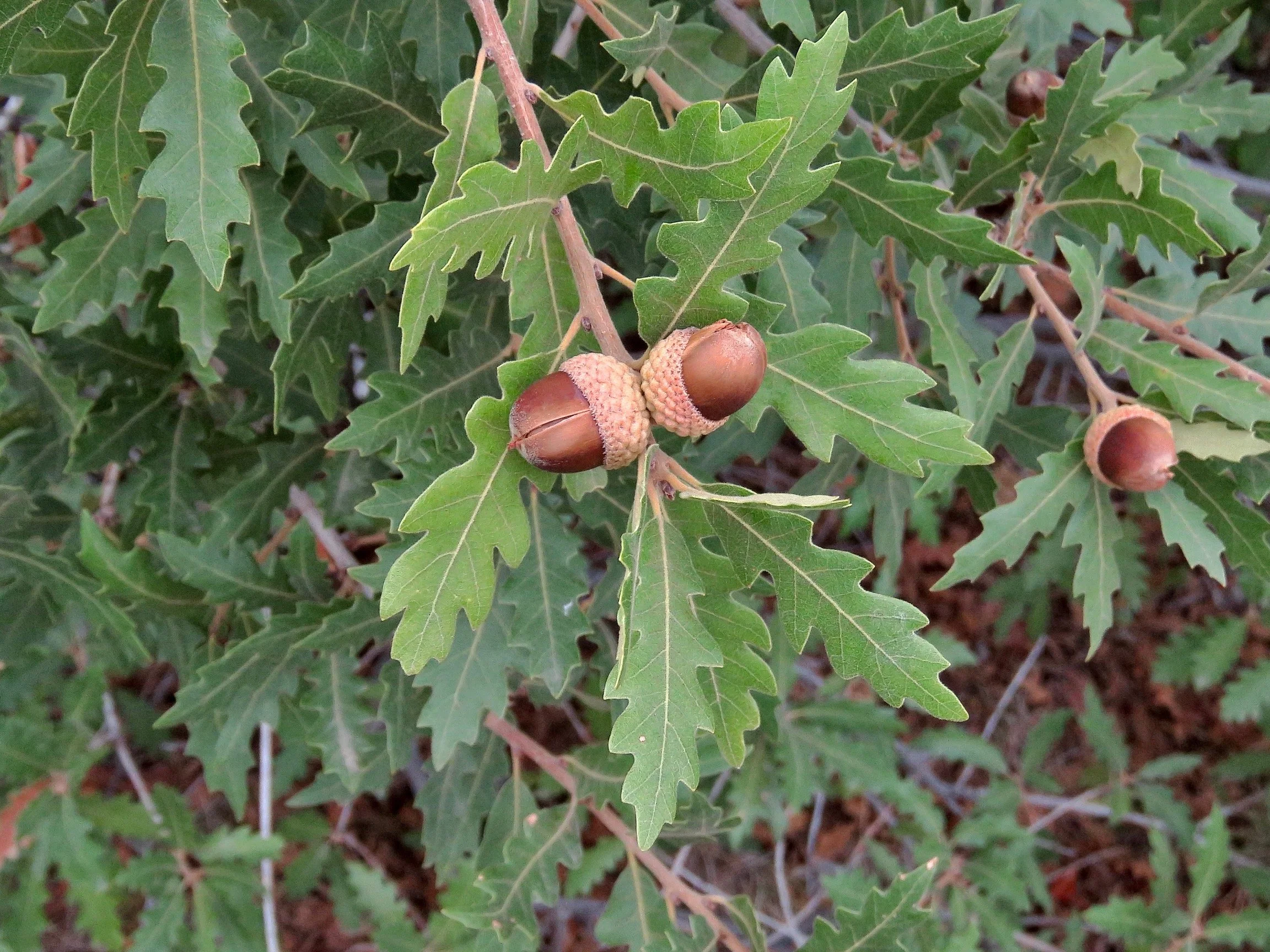
Fast Facts:
Structure: Round, Spreading
Flowers: No
Fruit: Acorns
Fall Color: Yellow, Orange or Red
Height: Can be 20 feet tall at maturity
Width: Crown width can be 20 feet at maturity
Hardiness: Zones 3
Sun: Full sun
Soil: Tolerant of both dry and alkaline soils
Water Needs: Low
Growth rate: Slow growing
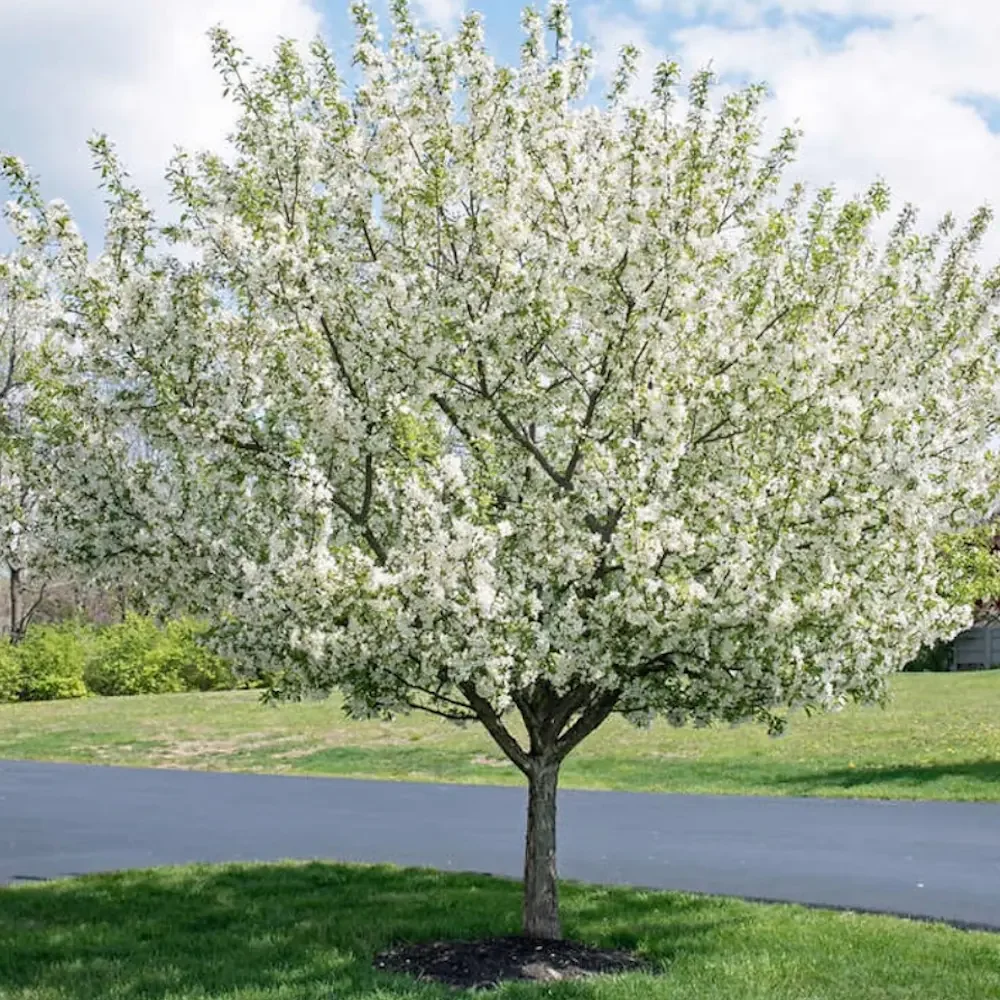
Spring Snow Crabapple
Seven-Son Flower
Gambel Oak
Autumn Brilliance Serviceberry (clump)
Bigtooth Maple
Hotwings Maple (clump or tree)
Skyline Honeylocust
Why This Work is Necessary
Growing Shade was launched to increase tree canopy on private properties, where the majority of planting opportunities exist. By empowering residents to plant and care for trees, the program supports community-driven climate solutions right where people live.
To select these neighborhoods, environmental and urban tree canopy data was used to identify disproportionately impacted neighborhoods experiencing low tree canopy and high heat exposure, where tree planting initiatives will have the highest impact.
Mature trees provide benefits that are essential to health and climate resilience, including:
Shade and natural cooling
Reduced energy costs
Improved air and water quality
Healthier ecosystems and biodiversity
Carbon sequestration
Reduced stress and greater physical well-being
Urban and suburban areas are especially vulnerable to extreme heat due to the urban heat island effect. Built surfaces such as asphalt and concrete absorb and radiate heat, while areas with greater tree canopy remain significantly cooler. For example, a 2024 study by CAPA Strategies and the City of Boulder found that neighborhoods with major tree loss were up to 6°F hotter than those with a dense canopy. Similarly, a 2024 Climate Central study showed that Denver streets with minimal vegetation were up to 9°F hotter than shaded blocks just two miles away.
By prioritizing historically under-resourced neighborhoods and partnering with local organizations, Growing Shade ensures that the benefits of trees are equitably shared across our communities.